Announcing our SOC2 Type 2 Compliance.
Categories
Blog INSIGHTS

Seamless Integration with Financial Accounts: How OneDigitalTrust Enhances Estate Planning for Your Members, Customers and Clients

Estate planning is crucial to securing a member’s legacy, but it often feels like a daunting task. Each asset—whether real estate, investments, or retirement savings—needs to be carefully considered to ensure the individual’s wishes are met. For community banks seeking a more efficient, comprehensive solution to this challenge, the OneDigitalTrust platform offers a powerful tool that integrates directly with financial accounts, simplifying the estate planning process and helping ensure all financial assets are included.

The Challenge: Managing Multiple Financial Assets

As individuals accumulate assets, estate planning can quickly become complex. Real estate, bank accounts, brokerage investments, retirement funds, and other financial holdings all need to be part of a comprehensive estate plan. The traditional approach often requires manually tracking down account information and entering it into the estate plan, which can be overwhelming—and without a proper system in place, important assets may be left out, causing confusion for loved ones and delays in the probate process. This is where the OneDigitalTrust platform provides a valuable solution.

A Unified Platform for All Financial Accounts

The OneDigitalTrust platform allows members to link their bank, brokerage, and retirement accounts directly to the platform. This makes it easier for members to reflect all of their financial assets in their estate plan, consolidating them into one secure, accessible location—and reducing the risk of overlooking key components of their financial life.

How the Integration Works

The integration allows members to:

  • Easily Link Financial Accounts: Eliminates the need for manual entry of account details and reduces the chance of missing key assets in the estate plan.
  • Streamline Asset Management: With everything connected in one place, members can easily view and manage their estate plan to ensure it reflects their full financial picture.
  • Consolidate Financial Data: All linked assets live in one digital space, simplifying estate plan updates and helping members stay organized.

The Benefits for Community Banks

Offering this type of digital experience brings real value to community banks:

  • Increased Member Engagement: A streamlined, user-friendly estate planning experience keeps members engaged and more likely to return for other financial needs.
  • Strengthened Relationships: Estate planning is deeply personal—helping members protect their legacy shows your commitment to their long-term financial well-being.
  • New Revenue Opportunities: As members gain confidence in their plans, they may explore other financial services, from retirement planning to wealth management.

Comprehensive, Hassle-Free Estate Planning

OneDigitalTrust’s integration with financial accounts simplifies estate planning by consolidating a member’s assets into one easy-to-manage platform. It ensures nothing is left out and gives members confidence their plan is truly complete. By offering this capability, community banks can position themselves as forward-thinking partners, delivering meaningful tools that help protect what matters most—now and for generations to come.


Categories
Blog INSIGHTS

Demography is Destiny—And Estate Planning Is the Opportunity Credit Unions Can’t Afford to Miss

As CUInsight’s article “Credit Unions: Demography is Destiny” points out, America’s shifting demographics are not just interesting trends—they’re calls to action. For credit unions, it’s time to reimagine how to stay relevant in a landscape shaped by aging Boomers, digitally fluent Millennials, and increasingly diverse communities. One of the most underleveraged ways to do that? Estate planning.

A Critical Need for Baby Boomers and Gen X

Estate planning isn’t a niche service. It’s a financial wellness essential that spans every generation, yet it’s often left out of the member experience. That’s where OneDigitalTrust comes in. By integrating this digital estate planning platform into your offerings, credit unions can deliver meaningful value to members at every life stage—while reinforcing their role as a lifelong financial partner.

With Baby Boomers entering retirement and Gen X not far behind, there’s a surge in the need for wills, powers of attorney, and long-term planning tools. Offering these services through a trusted, easy-to-use platform shows members you’re ready to support them through some of life’s most critical decisions. And it deepens trust at a time when competitors are also vying for their attention.

Engaging Younger, Tech-Savvy Generations

At the same time, younger generations—Millennials and Gen Z—are approaching finances through a very different lens. They want transparency, digital access, and services with purpose. A modern estate planning experience isn’t just helpful—it’s a signal that your credit union is aligned with their values. It’s an unexpected but powerful way to start a long-term relationship, grounded in real financial wellness.

The Need for Action in a Changing Market

The credit union landscape is shifting rapidly—mergers are on the rise, and some institutions are finding themselves unable to keep pace with demographic changes. If your membership base is aging without new members to replace them, or if your brand isn’t resonating with younger generations, your long-term sustainability could be at risk. Offering estate planning through OneDigitalTrust is more than just a product; it’s a step toward staying relevant and aligned with your members’ evolving needs.

Why Estate Planning Should Be Part of Your Credit Union’s Strategy

Estate planning with the OneDigitalTrust platform isn’t just about compliance or convenience. It’s about meeting your members and customers at the intersection of where they are and where they’re going—digitally, generationally, and financially. Demographics may be destiny, but what you offer your members today can define how they see your credit union tomorrow.

Categories
Blog INSIGHTS

Spring Cleaning for Estate Plans: How Financial Institutions and Advisors Can Help Clients Stay Prepared

Spring is a season of renewal—a perfect time for financial institutions and advisors to help clients and members refresh their estate plans. Just as people declutter their homes, reviewing wills, beneficiaries, and power of attorney designations ensures financial plans stay current and aligned with life changes. With digital tools like the OneDigitalTrust platform, updating an estate plan is now easier and more accessible than ever.

How Financial Institutions Can Drive Estate Plan Updates

Financial institutions play a key role in keeping customers financially secure, yet estate planning often falls by the wayside. Many people create a will once and forget to update it after major life events like marriage, divorce, or having children. A well-placed digital reminder—through online banking platforms, mobile app notifications, or email campaigns—can nudge customers to review their plans before issues arise.

With the OneDigitalTrust platform, financial institutions can offer estate planning as part of their digital banking experience. Instead of requiring clients to visit an attorney’s office or navigate complex paperwork, they can create, update, and store their estate plans online. By integrating the OneDigitalTrust platform into their offerings, banks and credit unions enhance customer engagement while reinforcing their role as trusted financial partners.

How Financial Advisors Can Guide Clients Through Estate Plan Reviews

For financial advisors, estate planning checkups should be a routine part of client reviews. Estate plans directly impact wealth transfer, tax strategies, and asset protection—yet clients often overlook them. A quick review of beneficiary designations, power of attorney documents, and asset distribution strategies can prevent probate issues and ensure clients’ wishes are carried out.

The OneDigitalTrust suite of estate planning tools makes it simple for advisors to incorporate estate planning into financial reviews. Instead of referring clients elsewhere, advisors can provide an easy-to-use digital platform that allows clients to update their documents in real-time. This strengthens the advisor-client relationship and ensures estate planning stays integrated with broader financial goals.

A Simple Solution That Strengthens Client Relationships

Estate planning doesn’t have to be complicated or time-consuming. By incorporating the OneDigitalTrust suite, financial institutions and advisors can make estate plan updates seamless, accessible, and routine. A simple spring cleaning check-in can save clients from future legal headaches, ensuring their financial and personal wishes are always up to date.

Now is the perfect time to start the conversation—before outdated plans become real problems. Want to see how OneDigitalTrust can help? Contact us to learn more.

Categories
Blog INSIGHTS

Anticipating the Future: How Financial Institutions Can Stay Ahead in Estate Planning

The financial services landscape is evolving at an unprecedented pace, and institutions that wait for change to happen before adapting risk falling behind. As pointed out in the article “Meeting the future before it arrives,” the key to long-term success is anticipating the future—rather than reacting to it.

For credit unions, banks, and financial advisory firms, estate planning represents one of those critical areas where proactive innovation can set institutions apart. While many financial institutions focus on wealth accumulation, far fewer take an active role in helping clients protect and transfer that wealth efficiently. That’s where digital estate planning solutions come in.

Anticipating the Future of Estate Planning

Historically, estate planning has been an attorney-driven, paper-heavy process—often delayed or overlooked by clients. But today, technology is redefining expectations. Digital-first solutions are making estate planning more accessible, affordable, and integrated into the broader financial services ecosystem.

Forward-thinking financial institutions are recognizing that:

  • Clients expect seamless, digital experiences in financial planning.
  •  Estate planning is a key differentiator in holistic wealth management.
  •  Proactive engagement deepens relationships and strengthens client loyalty.
Why Estate Planning Can’t Wait

Waiting until clients request estate planning solutions is like waiting until retirement to start saving—it’s too late to maximize the benefits. Financial institutions must proactively provide tools and guidance, ensuring clients don’t put off estate planning until a crisis forces them to act.

How Financial Institutions Can Stay Ahead

Integrate Estate Planning into Digital Banking & Wealth Management
Clients should have easy access to estate planning tools within their digital banking platforms—just as they do with budgeting, investing, and insurance. Institutions that provide an embedded estate planning experience will build trust and engagement.

Leverage Technology to Simplify the Process
Modern estate planning platforms, like the OneDigitalTrust platform, offer an intuitive, step-by-step process that allows clients to create wills, trusts, and beneficiary designations online. These solutions ensure clients can plan proactively without the friction of traditional legal processes.

Use Estate Planning as a Relationship-Building Tool
By offering estate planning solutions, financial institutions can:

  • Position themselves as trusted, long-term partners in financial wellness.
  • Strengthen engagement with millennial and Gen X clients, who increasingly seek digital solutions.
  • Deepen relationships with multi-generational clients by helping families prepare for wealth transfer.

Future-Proofing Your Institution Starts Now

Credit unions and banks that embrace estate planning technology today will be the ones leading the industry tomorrow. Rather than reacting to disruption, they’ll be shaping the future of financial services—ensuring they remain relevant, competitive, and indispensable to their clients.

Are You Ready to Meet the Future Before It Arrives?

Let’s talk about how your institution can integrate digital estate planning into your client experience and stay ahead of the curve. Reach out to learn more.


Categories
Blog INSIGHTS

The Power of Communication in Estate Planning: Why Sharing Your Plan Matters

Effective estate planning isn’t just about drafting documents—it’s about ensuring your loved ones and key decision-makers understand your wishes. One of the biggest reasons estate plans fail is the lack of communication. Even the most well-prepared legal documents can create confusion, delays, and disputes if they’re not properly shared with the right people.

For financial institutions and advisors, guiding clients through this process isn’t just a value-added service—it’s a necessity. As Warren Buffett recently pointed out, estate planning isn’t just for the ultra-wealthy. Middle-class families, who may not have vast financial resources to absorb unexpected delays or disputes, benefit the most from clear and open communication.

Why Communication is Invaluable in Estate Planning

  1. Reduces Confusion and Disputes
    Many families assume they know a loved one’s intentions, only to be surprised when the estate plan says otherwise. Clear communication eliminates uncertainty, ensuring that heirs and executors understand their roles and responsibilities in advance.
  2. Prevents Costly Legal Battles
    Disputes over estate plans often lead to unnecessary legal expenses and strained family relationships. By discussing intentions early, families can prevent potential conflicts and ensure a smoother transition of assets.
  3. Ensures Wishes Are Carried Out Accurately
    If an executor or trustee doesn’t fully understand the testator’s wishes, they may make decisions that don’t align with their true intent. Regular communication can help clarify these details and avoid misinterpretations.

How Secure Plan & Document Sharing Enhances Estate Planning Communication

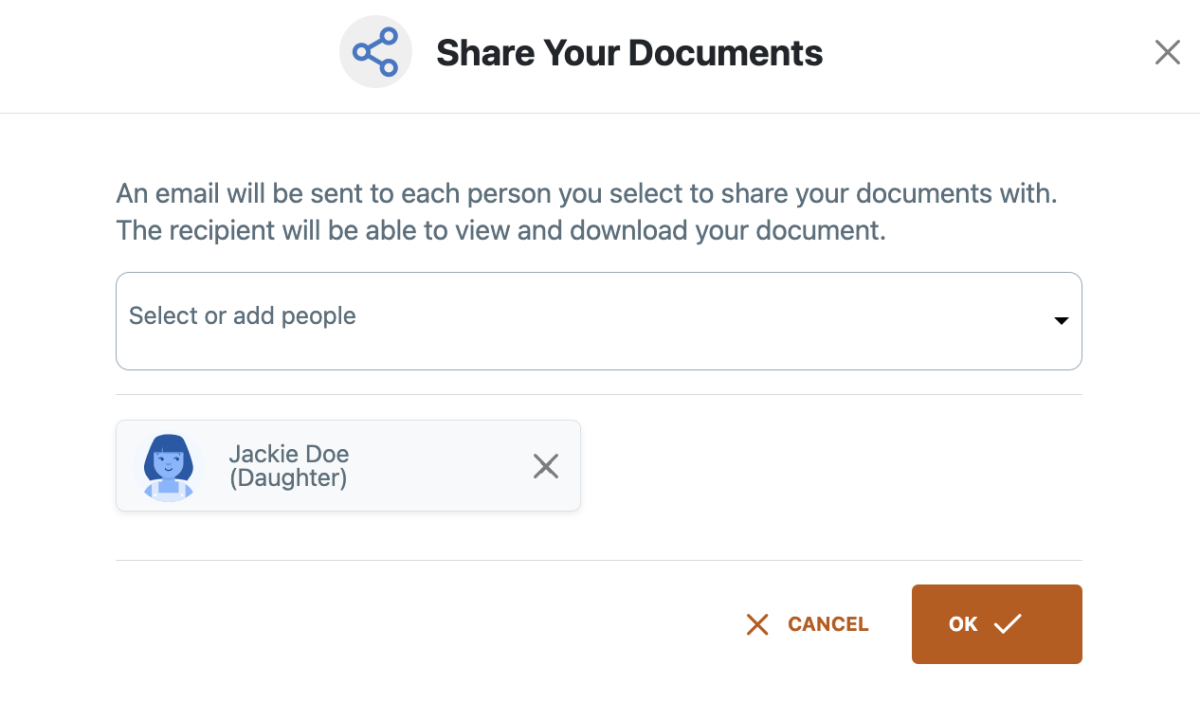
The OneDigitalTrust platform offers powerful plan and document sharing capabilities that make estate planning communication seamless and secure. Instead of leaving loved ones to sift through paperwork in times of crisis, clients can proactively ensure their estate plans, wills, trusts, and other critical documents are accessible to beneficiaries, executors, and other trusted individuals when needed.

Benefits for Financial Institutions and Advisors:
  • Enhance Client Trust & Engagement: Providing a structured way for clients to securely share estate planning documents fosters transparency and strengthens relationships.
  • Encourage Proactive Planning: Many clients hesitate to discuss estate planning. A streamlined, secure way to grant document access helps facilitate these essential conversations.
  • Reduce Family Conflicts & Legal Risks: Ensuring key stakeholders have authorized access to the estate plan reduces the risk of misunderstandings, disputes, or delays during critical moments.

The Advisor’s Role in Fostering Estate Planning Conversations

Financial professionals and institutions play a pivotal role in encouraging clients to not only create estate plans but also communicate them effectively. Secure and permission-based plan sharing ensures that advisors can confidently guide clients on when and how to share their estate planning details while maintaining control over who can access what information. This structured approach helps ensure that clients’ wishes are clearly documented and honored, while also protecting sensitive data.

With the OneDigitalTrust platform’s advanced plan and document sharing capabilities in our Smart Document Vault, both advisors and clients benefit. Advisors can foster stronger client relationships by offering a seamless and compliant way to share critical estate planning documents. Meanwhile, clients gain peace of mind knowing that their information is securely accessible to the right people at the right time, reducing stress and uncertainty for their loved ones.

Final Thoughts
Estate planning is more than just documentation; it’s an ongoing conversation. By leveraging secure and structured sharing features, financial professionals can help clients protect their legacies while minimizing complications for their loved ones.

Want to help your clients take the next step? Learn more about how the OneDigitalTrust platform’s secure plan and document sharing capabilities can simplify estate planning communication.

Categories
Blog INSIGHTS

Empathy in Estate Planning: How Financial Advisors Can Guide Clients to Peace of Mind

Estate planning is an essential part of financial management, yet many individuals delay or avoid it due to several common challenges. These challenges often stem from practical concerns rather than just emotional hesitation. Financial advisors play a critical role in helping clients navigate these obstacles and make informed decisions. With digital tools like the OneDigitalTrust financial advisor portal, advisors can streamline the estate planning process and provide valuable resources to address these challenges effectively.

Key Challenges in Estate Planning

  1. Avoidance of Mortality Discussions
    Estate planning requires individuals to consider what will happen after they pass away, a topic that many prefer to avoid. As mentioned in an interview with OneDigitalTrust’s CEO Sonny Kapoor, “Humans have an instinctive and ongoing existential fear of death. This ‘death anxiety’ can create cognitive distortion, which makes people act irrationally, such as putting off essential estate planning.” Using the OneDigitalTrust financial advisor portal, advisors can provide step-by-step guidance, making the process less daunting and more structured for clients.

  2. Complex Family Dynamics
    Estate planning frequently highlights complex family situations, such as blended families, sibling disputes, or strained relationships. These complexities can make decision-making difficult and delay the process.

  3. Concerns About Control and Management
    Clients may worry about losing control over their assets or doubt the ability of their beneficiaries to manage the inheritance wisely. This concern can result in hesitation or indecision during the planning process.

Strategies for Financial Advisors Using Estate Planning Platforms

  1. Building Trust and Rapport
    Establishing a strong, trusting relationship is fundamental. Clients are more likely to open up about their fears and concerns when they feel their advisor genuinely cares and understands their situation. A financial advisor portal, like OneDigitalTrust, enables advisors to see what their clients have entered in their estate plan, allowing them to offer timely assistance and maintain consistent communication, which fosters trust and transparency throughout the process.

  2. Educating and Empowering
    Educate clients about the estate planning process and the options available to them. Empowering clients with knowledge can reduce anxiety and help them feel more in control of their decisions.

  3. Facilitating Family Discussions
    Offer to mediate or facilitate family meetings to discuss estate plans. Having a neutral third party present can help diffuse tensions and ensure that everyone’s voice is heard. The portal can give insights on the family circumstances, making it easier for financial advisors to initiate these conversations. The OneDigitalTrust financial advisor portal’s detailed insights into the client’s estate plan help advisors prepare for these discussions, while alerts on specific plan details ensure advisors are ready to address possible sensitive topics.

  4. Providing Resources
    Recommend resources such as grief counseling, support groups, or literature on coping with loss and planning for the future. These resources can help clients process their emotions outside the advisory context.

  5. Tailoring the Approach
    Recognize that each client is unique and may require a different approach. Some clients may prefer a more direct and factual conversation, while others may need a gentler, more supportive dialogue. The portal’s just-in-time alerts about important plan details, allow advisors to adapt their approach, ensuring a personalized experience that aligns with each client’s specific needs and circumstances.


Estate planning is inherently emotional, but with thoughtful, empathetic support from financial advisors, clients can navigate these complexities more comfortably. By understanding the psychological challenges and employing strategies to support clients, financial advisors can enhance their relationships with clients and help them create estate plans that reflect their values and wishes. Leveraging estate planning platforms like the OneDigitalTrust platform, with a robust financial advisor portal, further empowers advisors to provide comprehensive, empathetic support, fostering trust, reducing anxiety, and enabling clients to make informed decisions that bring peace of mind.


Categories
Blog INSIGHTS

Estate Planning for Divorcees: How Financial Advisors can Help Protect Assets and Children

Divorce can create significant shifts in a client’s life, and these changes are not only emotional but financial. For financial advisors and institutions, it’s essential to help divorcees navigate the complexities of updating their estate plans to reflect their new circumstances. A major part of this process includes reviewing and updating wills and trusts to reflect the client’s changed relationships. Clients may have previously named their ex-spouse as a beneficiary or executor, and those provisions need to be updated to ensure that their estate plan aligns with their current wishes. The OneDigitalTrust financial platform allows financial advisors to assist their clients’ in creating and updating their estate plans, ensuring all necessary changes are reflected.

Updating Beneficiary Designations

One of the most important tasks after a divorce is revisiting beneficiary designations on retirement accounts, life insurance policies, and other financial accounts. Often, beneficiary designations don’t automatically update after a divorce, and clients may unintentionally leave assets to an ex-spouse or other unintended parties. With OneDigitalTrust, financial advisors can track these critical updates and receive alerts when beneficiaries need to be revised, ensuring that these changes aren’t overlooked.

Guardianship and Trusts for Children

For clients with minor children, naming a guardian and establishing a plan for their financial care is essential. Advisors should assist in determining the appropriate guardians and ensure that an estate plan is properly set up to manage the children’s inheritance until they reach adulthood. The OneDigitalTrust financial advisor portal helps advisors easily aid their client’s with these decisions, ensuring that guardianship and trust arrangements are properly documented and accessible. This can be especially important when complex family dynamics come into play, as many divorcees have children from previous relationships and need a detailed plan to safeguard their children’s financial futures.

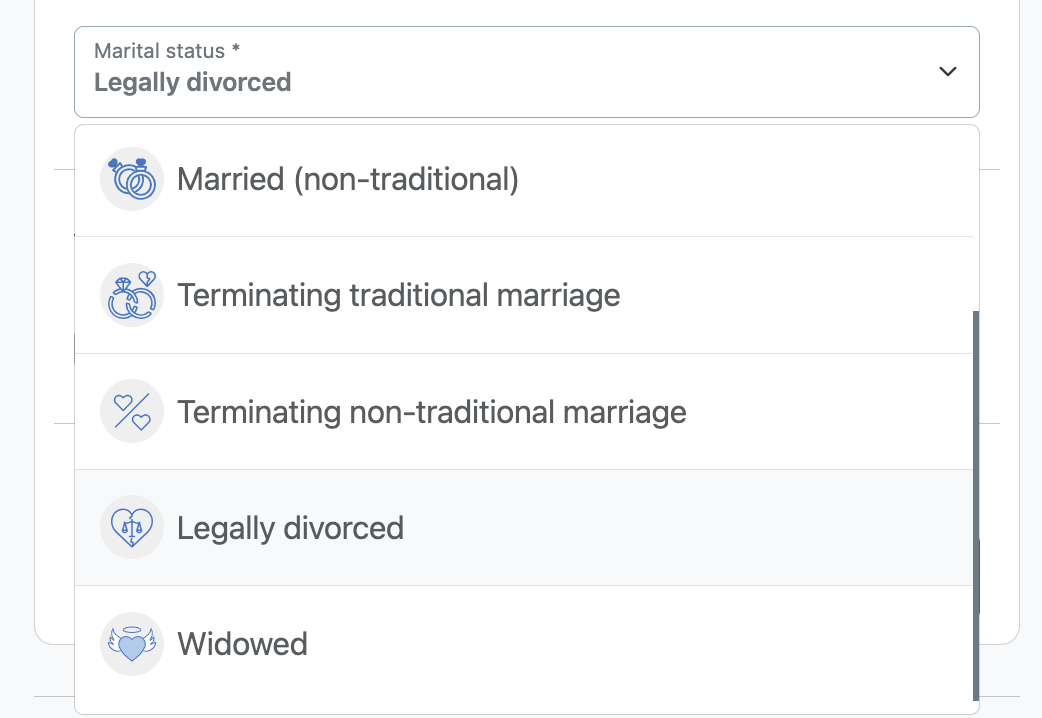
Additionally, the OneDigitalTrust platform accounts for these unique family dynamics within its tools. For example, the “Myself” screen allows users to select their marital status, including the option to indicate a divorce. When adding children to an estate plan, clients can also specify if the children are from a current or previous relationship or are a stepchild from a spouse’s prior relationship. This flexibility ensures that estate plans reflect a client’s family structure with precision.

Managing Shared Property and Assets

Many divorcees also need to address shared property and assets. If a client and their ex-spouse jointly own property or have assets together, it’s important to review how these assets will be managed or divided. Using the OneDigitalTrust platform, financial advisors can track client assets and provide reminders to their clients to update legal and financial documents related to shared property, making sure everything is accounted for in the estate plan.

Helping Divorcees Protect Their Assets and Children

For financial advisors, assisting divorcees with their estate planning process is an opportunity to deepen relationships and offer holistic solutions. By addressing key areas such as updating wills, revising beneficiary designations, and ensuring proper guardianship and financial protection for children, advisors can help clients navigate the complexities of life after divorce.

Leveraging estate planning platforms like the OneDigitalTrust platform streamlines this process, offering tools to monitor estate plan updates, manage documents, and keep clients on track as they make important changes. Features like the ability to account for divorce in marital status and specify the relationships of children further enhance the platform’s functionality, ensuring that estate plans accurately represent the client’s wishes and family structure.

A well-executed estate plan can offer peace of mind to divorcees during a challenging time and provide lasting security for their children and loved ones. By guiding clients through this process and providing the tools to manage their estate plans effectively, advisors can help ensure that divorcees protect their assets and secure their children’s future.

Categories
Blog INSIGHTS

How Financial Institutions and Advisors Can Prepare for Estate Planning Conversations in 2025

As 2025 approaches, financial institutions and advisors are setting growth goals and looking for ways to deepen client engagement. While investment and retirement strategies often take center stage, this year, estate planning should be part of every client conversation.

Estate planning has shifted from a “nice-to-have” to a critical element of holistic financial planning. Clients expect more comprehensive support, and financial institutions that prioritize estate planning in 2025 will strengthen relationships, increase retention, and position themselves as full-service financial partners.

Here’s how to prepare for impactful estate planning conversations in 2025.

Why 2025 is the Year of Estate Planning

Rising Client Demand: Clients want to protect their families, ensure their legacies, and reduce burdens on loved ones. Proactive estate planning meets this growing need.

Shifting Client Demographics: Millennials and Gen X are building wealth and inheriting assets. They prefer tech-enabled, self-service financial tools — including estate planning platforms.

Economic & Regulatory Changes: Adjustments to tax laws or estate tax thresholds prompt clients to review their plans. Financial institutions that stay ahead of these changes build trust and credibility.

Advisor-Client Loyalty: Offering estate planning strengthens relationships and establishes financial institutions as holistic, long-term partners.

3 Strategies to Make Estate Planning a Priority in 2025

1. Integrate Estate Planning Into Client Reviews

The new year is prime time for client reviews. Use these check-ins to introduce estate planning as a key part of the client’s financial health.

Tips to Do It:

  • Review Beneficiary Designations: Encourage clients to review and update beneficiaries on their financial accounts.
  • Discuss Milestones: Use key life events like marriage, new children, or retirement to trigger estate planning discussions.
  • Use Alerts & Prompts: Platforms like OneDigitalTrust alerts clients and advisors about important milestones that require plan updates.


2. Offer Easy-to-Use Digital Estate Planning Tools

Clients expect modern, tech-driven solutions — and estate planning is no exception. Offering a platform like OneDigitalTrust allows clients to create wills, assign powers of attorney, and name guardians online.

Why This Matters:

  • Simplified Process: Clients can complete key estate planning tasks without needing a legal expert.
  • On-Demand Access: Clients can update their estate plans as life changes.
  • Innovation Differentiates You: Offering a sleek, tech-enabled experience differentiates your institution from competitors still using manual processes.


3. Financial Institutions can Train Advisors to Start the Conversation

Advisors sometimes avoid estate planning discussions, thinking they’re too personal or complex. But when framed properly, these conversations feel natural.

Tips to Do It:

  • Ask Better Questions: Instead of “Do you have a will?” try, “Have you thought about who would manage your finances if something unexpected happened?”
  • Leverage Milestones: When a client retires, buys property, or welcomes a child, it’s the perfect moment to discuss estate planning.
  • Use Real-Life Stories: Share examples of well- known figures (like Prince or Aretha Franklin) whose estates were caught in lengthy legal battles due to poor planning.

Ring in 2025 with Stronger Client Relationships

As clients make New Year’s resolutions for health, wealth, and family well-being, estate planning should be part of the conversation. By integrating it into client reviews, offering simple digital tools, and training advisors, financial institutions can position themselves as comprehensive financial partners.

With tools like OneDigitalTrust, estate planning becomes accessible, simple, and client-friendly. Don’t wait until mid-year to make it a focus. Start in January — and give your clients the ultimate gift of peace of mind for the future.

Here’s to a successful 2025 filled with growth, client engagement, and stronger relationships.

Categories
Blog INSIGHTS

A Gift of Security: Strengthen Relationships by Offering Estate Planning to Customers, Members and Employees This Holiday Season

As we approach the holiday season, many of us find ourselves reflecting on the year gone by and thinking about the future. For financial institutions and advisors, this is a time to help customers, members and employees reflect not only on their financial goals but also on the importance of securing their legacy for generations to come.

Why Estate Planning Matters During the Holidays

The holidays are a time for family, togetherness, and planning for the future. It’s the perfect season to talk to clients about the importance of comprehensive estate planning. For many clients, estate planning is something that can be easily overlooked. However, the uncertainty that can come with life changes and unexpected events makes it all the more important to have a solid plan in place.

Financial institutions and trusted advisors can play a crucial role in helping stakeholders protect their hard-earned assets, ensuring their wishes are carried out and minimizing the stress on their loved ones. Estate planning should be an ongoing conversation, and there’s no better time than now to initiate that discussion.

How Estate Planning Benefits Financial Institutions and Advisors

  • Strengthen Client Relationships: By helping clients create their estate plan, you reinforce your value as a trusted advisor. Offering estate planning tools and resources strengthens the relationship, showing clients that you are committed to their long-term success and wellbeing.
  •  Increase Engagement: Offering tools that simplify the estate planning process, such as the OneDigitalTrust platform, enables you to keep clients engaged in managing their financial future. Features such as digital document management and seamless communication with family members are tools clients value when planning for the unexpected.
  • Offer Comprehensive Solutions: Estate planning isn’t just about writing a will—it’s about providing comprehensive solutions that address every aspect of a client’s financial life. Whether it’s creating a will, setting up trusts, or managing healthcare directives, estate planning is a multifaceted service that can help clients navigate complex issues. Financial advisors and institutions offering integrated estate planning solutions can position themselves as holistic, full-service providers.
  • Drive Revenue Growth: A streamlined, easy-to-use estate planning solution can attract more clients, driving growth for your business. By offering a digital solution, you reduce the friction associated with traditional estate planning and provide a value-added service to both current and potential clients.

How OneDigitalTrust Can Help

OneDigitalTrust provides a simple, affordable yet powerful platform designed to help financial institutions and advisors deliver a seamless estate planning experience. Whether you are helping clients create a will, manage beneficiaries, or establish a probate-avoidance Revocable trust (“living trust”) , the OneDigitalTrust platform partnering model ensures a tightly-coupled fit with your existing ecosystem of offerings and quickly becomes an extension of your digital footprint. 

As a partner, we understand the importance of aligning estate planning with financial goals. Our solution is designed to increase efficiency, reduce the administrative burden, and empower financial professionals to help stakeholders make confident, well-informed decisions.

Wrapping Up the Year with a Lasting Legacy

This holiday season, give your clients the gift of security, peace of mind, and a well-organized estate plan. As families gather to celebrate, now is the perfect time to help your clients ensure their legacy is protected for years to come. By integrating estate planning into your offerings, you not only help your clients but also reinforce your position as a trusted, comprehensive financial advisor.

Wishing You a Happy, Prosperous Holiday Season

From all of us at OneDigitalTrust, we wish you a wonderful holiday season filled with peace, joy, and the satisfaction of knowing you’re helping clients protect their most valuable assets for the future.

Categories
Blog INSIGHTS

The High Cost of Doing Nothing: Why Financial Institutions Should Promote Estate Planning

Estate planning is a critical service that helps individuals secure their financial futures and protect generational wealth. Yet, many customers and members of financial institutions delay the process, often perceiving it as too complicated or costly. For financial institutions and advisors, the opportunity lies in addressing this gap by offering tools and resources that simplify estate planning. Even straightforward solutions can make a substantial difference in protecting families and ensuring financial security, highlighting the value institutions and advisors can provide to their communities and clients.

Why Having an Estate Plan Matters

The biggest oversight for many individuals is not having any estate plan at all. For financial institutions, this presents an opportunity to educate and support customers in avoiding this common mistake. As Barbara Ginty, a Certified Financial Planner and host of the Future Rich Podcast, explains:

“The biggest mistake is not having an estate plan. If you want to create generational wealth, you need a comprehensive estate plan.”

Without any plan in place, customers and members may leave their families to navigate unnecessary delays, expenses, and emotional stress. By providing resources and tools, financial institutions can help their clients avoid these challenges, whether through simple solutions or more comprehensive plans. Even for customers and members with straightforward needs, the reassurance that their affairs are in order is a significant value-add that institutions can offer.

Tackling the Cost Barrier

Cost is often cited as a major reason people delay estate planning. Financial institutions are in a unique position to address this concern by offering accessible and affordable tools to their customers, like OneDigitalTrust. Traditional estate planning services can be expensive, but solutions like OneDigitalTrust provide a cost-effective and efficient alternative for creating legally valid plans.

For individuals with straightforward needs, these platforms offer essential tools to create wills, trusts, and other key documents. By partnering with such solutions, financial institutions can help their clients overcome the cost barrier, ensuring that protection and planning are within reach for all. Providing these resources demonstrates a commitment to financial well-being and removes a significant obstacle to getting started.

Staying Organized is Key

Organizational challenges are a common hurdle in estate planning. Financial institutions and financial advisors can play a crucial role in helping their clients navigate this process by promoting the importance of keeping financial records in order. As Patty Fitzsimmons, vice president of accounting at Aquilance, points out:

“Not creating or maintaining a solid accounting and record-keeping system by a family is one of the biggest mistakes in the estate planning process.”

Encouraging clients to maintain a clear understanding of their financial situation—assets, debts, and overall net worth—is foundational to effective planning. Estate planning platforms can complement this effort, but they work best when paired with accurate and up-to-date financial information. By supporting clients in creating asset inventories or net worth statements, financial institutions and advisors can help streamline the planning process and minimize potential confusion down the road.

Fitzsimmons adds:
“Making assumptions about the current state of a family’s situation is another big mistake we see. It is particularly important that the current reality is clearly understood.”

Through education and accessible tools, institutions and advisors can empower their members and clients to build a solid foundation for estate planning.

The Bottom Line: Start Small, But Start

Estate planning may seem daunting, especially for those just beginning the process. However, waiting for the perfect moment or for the ability to afford expensive professionals can be a risky approach. Financial institutions can help their clients take the first step by emphasizing that a simple, foundational plan is better than no plan at all.

A straightforward estate plan, while basic, can offer significant protection and peace of mind. As clients’ needs evolve, estate planning can become more complex, but starting with a solid foundation, such as the one offered through OneDigitalTrust, can provide a critical safety net from the start. Financial institutions can play a key role in helping their clients navigate this journey without the burden of high costs or complexity.

In the end, estate planning doesn’t need to be overwhelming. Encouraging clients to take small steps now, using accessible tools, can ensure they have a plan in place that safeguards their financial future and offers clarity for their loved ones.