Not all critical roles in estate planning wait until death to take effect. Two key documents—the Healthcare Power of Attorney (sometimes called a Health Care Proxy or Advance Directive) and the Durable Financial Power of Attorney—let you appoint an agent to act on your behalf during your lifetime. While you are capable, you remain in control of your own decisions. If you become incapacitated, your chosen agent steps in to make healthcare or financial decisions as outlined in the document.
What is a Healthcare Power of Attorney?
A Healthcare Power of Attorney is a legal document that authorizes a chosen individual, called a Healthcare Agent (or Health Care Proxy in some states), to make medical decisions if a person is unable to do so themselves. These can include decisions about treatments, surgeries, and even life-sustaining measures like ventilation or feeding tubes. Many states also require that the document include HIPAA authorization so the Healthcare Agent can access medical records.
The COVID-19 pandemic brought renewed awareness to the importance of this document and the Healthcare Agent’s role. In scenarios where patients were sedated or placed on ventilators, decisions about care often fell to Healthcare Agents, highlighting the real-world impact of having this designation in place.
What is a Durable Financial Power of Attorney?
A Durable Financial Power of Attorney is a legal document that authorizes a chosen individual, called a Financial Agent or Attorney-in-Fact, to manage financial affairs immediately upon signing. Unlike a standard power of attorney, it remains valid even if the individual later becomes incapacitated. This could include:
- Paying bills and managing accounts
- Handling investments
- Managing property
- Working with tax professionals or attorneys on the individual’s behalf
This authority automatically ends at death, at which point the Executor (also called a Personal Representative) assumes control.
For an aging population, this document—and the Financial Agent appointed under it—are critical to protecting assets and preventing financial mismanagement or exploitation. Without formal authorization, even close family members might not have the legal ability to act, risking unpaid expenses or frozen accounts when it matters most.
Can One Person Serve Both Roles?
Often, yes. The same person can serve as both Healthcare Agent (appointed under a Healthcare Power of Attorney) and Financial Agent (appointed under a Durable Financial Power of Attorney). However, it’s important to assess whether the individual has the skills—and emotional capacity—to handle both responsibilities effectively. If separate individuals are appointed, it’s wise to ensure they can collaborate, especially since medical decisions often have financial implications.
Who May Not Be the Best Candidates for These Roles?
Not everyone is an ideal choice. For example:
- Minors and convicted felons are often legally restricted from serving
- A healthcare agent generally cannot be the operator of a facility currently providing treatment unless they are related to the patient by blood, marriage, or adoption
- Someone with a history of financial mismanagement may not be the strongest candidate for a financial role
Why Thoughtful Planning is Key
Assigning these roles requires more than picking someone “close.” It requires trust, clarity, and consideration of each person’s qualifications. When these decisions are left unmade, families can face legal barriers, confusion, or conflicts during already difficult times.
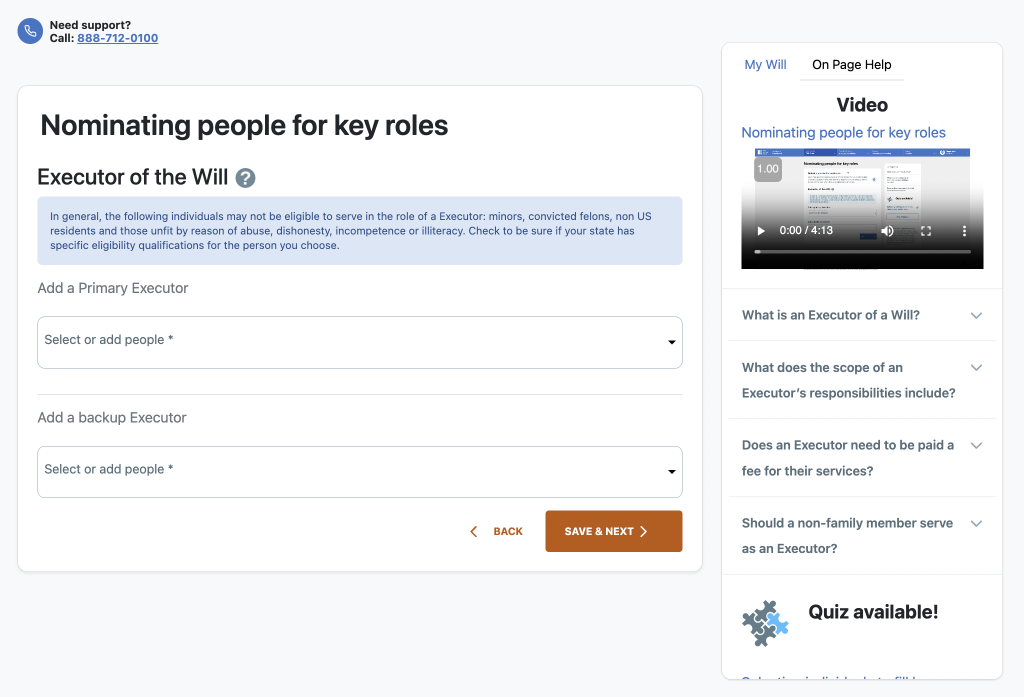
OneDigitalTrust equips financial institutions, advisors, and banks with tools to help clients formally assign these roles, supported by educational resources and step-by-step guidance. With our platform, these essential roles aren’t just names on a document—they’re informed decisions that provide clarity when it matters most.